

Introduction:
In today’s digital age, the role of media in shaping political narratives has evolved significantly. The mass media, encompassing traditional outlets such as television, radio, and newspapers, as well as digital platforms and social media, has become a powerful force in influencing public opinion and shaping political discourse. The influence of media on political beliefs, attitudes, and behaviors cannot be overstated, as it plays a pivotal role in the dissemination of information, the framing of issues, and the construction of narratives. This topic delves into the evolving role of media in shaping political narratives, aiming to explore the mechanisms through which media influences public perception, shapes political agendas, and impacts the democratic process. By understanding the dynamic interplay between media and politics, we can gain insights into the complex relationship between media, public opinion, and the political landscape.
1. Exploring the Influence of Mass Media in Shaping Public Opinion and Political Discourse:
1.1 Reach and Impact of Mass Media in Disseminating Political Information:
- Mass media, including television, radio, newspapers, and online platforms, have a wide reach and can significantly influence public opinion.
- Media outlets serve as intermediaries between political actors and the general public, providing information, news, and analysis on political events and issues.
- The accessibility and prevalence of mass media make it a powerful tool for shaping public opinion by presenting information in specific ways and highlighting certain narratives or perspectives.
1.2 Media Coverage and Public Perception of Political Events and Actors:
- Media coverage plays a crucial role in shaping public perception of political events, individuals, and policies.
- The way in which media outlets frame and present political news can influence how the public understands and interprets those events.
- Media bias, both intentional and unintentional, can shape the public’s perception of political actors and issues.
- Media portrayal of political figures can influence their public image and reputation, impacting their popularity and electoral prospects.
1.3 Role of Media in Agenda-Setting and Influencing the Salience of Political Issues:
- The media has the power to set the agenda by determining which issues and topics receive the most attention and coverage.
- Through their selection of news stories and the prominence given to certain issues, the media can shape public discourse and the political agenda.
- Media outlets play a role in determining the salience of political issues by deciding what is newsworthy and what receives extensive coverage.
- The media’s agenda-setting function can influence public opinion by shaping what issues are seen as important and deserving of attention.
It is important to critically analyze media coverage, be aware of potential biases, and seek diverse sources of information to have a well-rounded understanding of political events and issues. Recognizing the influence of mass media in shaping public opinion can help individuals engage in informed political discourse and make well-informed decisions.
2. Investigating the Framing, Agenda-Setting, and Priming Effects of Media Coverage:

2.1 Framing Effects:
- Media framing refers to how news stories and information are presented and framed to influence how the audience perceives and understands an issue or event.
- Different frames can shape public opinion by emphasizing certain aspects of an issue, highlighting specific perspectives, or using language that evokes particular emotions or attitudes.
- Media frames can influence the public’s interpretation of political events, shaping their understanding of the causes, consequences, and potential solutions.
2.2 Agenda-Setting Function:
- Media outlets have the power to determine which issues and topics receive prominent coverage, shaping the public’s perception of what is important and deserving of attention.
- Through agenda-setting, media outlets influence the salience and priority of political issues in public discourse.
- By emphasizing specific topics or downplaying others, media can shape public opinion and policy agendas, influencing what issues are discussed and addressed by political actors and institutions.
2.3 Priming Effects:
- Media coverage can prime or activate certain issues or considerations in the minds of the audience, influencing their attitudes, opinions, and decision-making.
- When media consistently covers specific topics, it can influence the criteria and priorities that voters use to evaluate political candidates and issues.
- Priming effects can shape the context in which political judgments are made, influencing voter perceptions, evaluations, and choices.
Studying the framing, agenda-setting, and priming effects of media coverage helps us understand how media shapes public opinion and political behavior. It underscores the importance of media literacy and critical analysis of news sources to navigate the potential biases and influence of media in political discourse. By being aware of these effects, individuals can seek diverse perspectives, question framing choices, and engage in informed political decision-making.
3. Analyzing the Role of Media Biases and Their Impact on Public Perception:
3.1 Existence and Types of Media Biases:
- Media biases refer to the tendency of media outlets to favor certain perspectives, ideologies, or political leanings in their reporting and presentation of news.
- Common types of media biases include partisan bias (favoring one political party over others), ideological bias (favoring certain political ideologies), sensationalism (prioritizing dramatic or attention-grabbing stories), and corporate bias (influenced by the interests of media ownership or advertisers).
- Media biases can manifest in the selection of stories, framing choices, language use, sourcing patterns, and imbalance in representation.
3.2 Impact on Public Perception and Political Outcomes:
- Media biases can shape public perception by influencing the information individuals receive and how it is presented to them.
- Biased media coverage can contribute to polarization, as individuals may be exposed to one-sided or distorted information that reinforces their existing beliefs.
- Biased media coverage can also affect political outcomes, as it can sway public opinion, influence voter behavior, and impact the electoral process.
- Media biases can contribute to a fragmented and polarized media landscape, where individuals consume news that aligns with their preexisting beliefs, reinforcing divisions and hindering constructive dialogue.
3.3 Challenges of Media Objectivity and the Need for Diverse and Balanced Sources:
- Achieving complete objectivity in media reporting is challenging, as journalists and media organizations can be influenced by their own biases, institutional pressures, or economic considerations.
- It is essential for individuals to seek out diverse and balanced media sources to gain a broader perspective on political issues and events.
- Engaging with a variety of media outlets, including those with different political leanings, can help individuals develop a more nuanced understanding of complex issues and mitigate the impact of media biases.
Recognizing media biases and their potential consequences on public perception and political outcomes underscores the importance of media literacy, critical analysis, and diverse information sources. By being aware of biases and seeking out balanced perspectives, individuals can make more informed judgments and engage in constructive political discourse. It also highlights the need for media outlets to uphold ethical standards, strive for accuracy and fairness, and provide diverse viewpoints to ensure a well-informed citizenry and a healthy democratic process.
4. The Influence of New Media and Digital Platforms:
4.1 Impact of Social Media Platforms on Political Communication and Public Opinion:
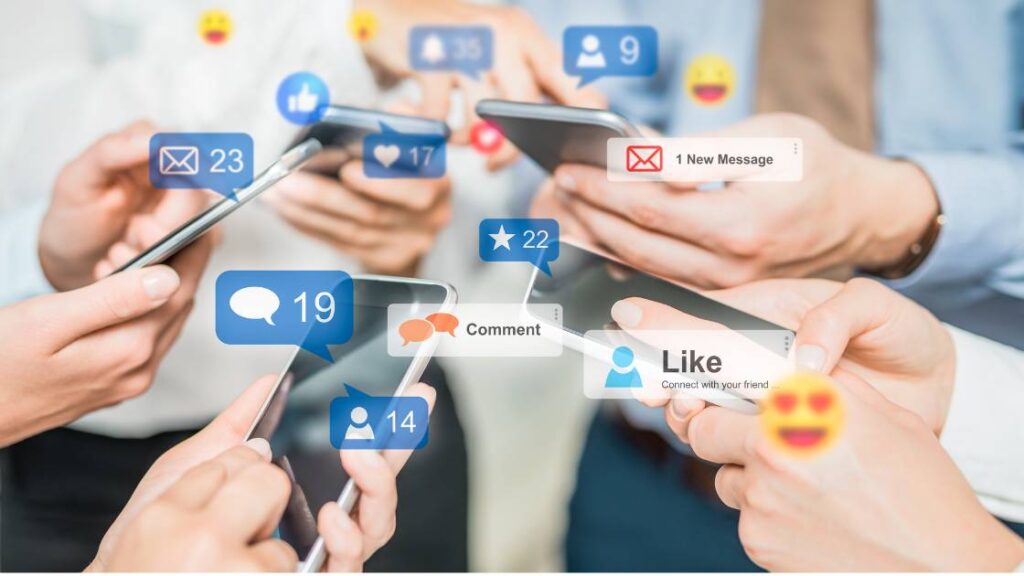
- Social media platforms have revolutionized political communication by providing a platform for individuals, politicians, and organizations to share information, express opinions, and mobilize support.
- Social media enables rapid dissemination of news and political content, allowing information to reach a broader audience in real time.
- Social media platforms have facilitated direct engagement between politicians and the public, allowing for interactive discussions, feedback, and the amplification of voices that may have been marginalized in traditional media.
- The viral nature of social media can result in the rapid spread of misinformation and the formation of echo chambers, where individuals are exposed only to information that aligns with their existing beliefs.
4.2 Role of Online News Sources and Digital Influencers in Shaping Political Beliefs:
- Online news sources, including digital publications and news websites, have become significant players in shaping political beliefs.
- Digital influencers, such as bloggers, vloggers, and social media personalities, can also have substantial influence over their followers’ political opinions.
- The ease of access to diverse sources of information online has increased the availability of alternative perspectives and independent voices, challenging the dominance of traditional media outlets.
- However, the lack of gatekeeping and fact-checking in some online spaces can lead to the spread of misinformation, conspiracy theories, and the manipulation of public opinion.
4.3 Challenges and Opportunities Presented by New Media in the Realm of Politics:
- New media platforms present both challenges and opportunities for political communication.
- The speed and reach of information on digital platforms can facilitate the rapid mobilization of social and political movements.
- Online platforms allow for personalized and targeted political messaging, enabling politicians to tailor their appeals to specific demographics.
- However, the decentralized nature of new media can make it difficult to regulate or hold accountable those who spread misinformation or engage in manipulative tactics.
- The lack of context and nuance in online discussions can contribute to the polarization of political discourse and the erosion of trust in traditional media institutions.
Understanding the influence of new media and digital platforms is crucial in today’s political landscape. It requires individuals to critically evaluate information, verify sources, and seek out diverse perspectives. It also calls for media literacy education to equip citizens with the skills necessary to navigate the complexities of online information and to differentiate between reliable sources and misinformation. Furthermore, policymakers and platforms must address the challenges posed by new media, such as the spread of misinformation and the need for transparency and accountability in online political communication.
5. Promoting Media Literacy and Critical Thinking:
5.1 Emphasizing the Importance of Media Literacy:
- Highlight the significance of media literacy as a necessary skill in the digital age to navigate the vast amount of information available.
- Educate individuals about the potential biases, manipulations, and inaccuracies that can exist in media sources.
- Stress the importance of being an active and discerning consumer of news and political information rather than relying solely on headlines or social media posts.
5.2 Equipping Individuals with Tools for Critical Analysis:
- Teach individuals how to evaluate the credibility and reliability of media sources by assessing factors such as journalistic standards, evidence-based reporting, and transparency.
- Encourage the use of multiple sources and diverse perspectives to gain a comprehensive understanding of complex issues.
- Provide resources and frameworks for fact-checking and verifying information to help individuals distinguish between factual reporting and opinion.
5.3 Encouraging a Discerning Approach to Consuming News and Political Information:
- Promote the habit of critically questioning and analyzing media messages, including recognizing potential biases, framing, and the use of persuasive techniques.
- Encourage individuals to seek out information from reputable sources with a track record of accuracy and fairness.
- Foster a culture of open-mindedness and willingness to consider different viewpoints, promoting civil discourse and respectful engagement in political discussions.
5.4 Collaboration between Educational Institutions, Media Organizations, and Civil Society:
- Advocate for media literacy education to be integrated into school curricula, providing students with the necessary skills to navigate media influence effectively.
- Encourage media organizations to be transparent about their editorial processes, fact-checking mechanisms, and commitment to unbiased reporting.
- Support civil society initiatives that promote media literacy and critical thinking, such as workshops, seminars, and online resources.
By promoting media literacy and critical thinking, individuals can become empowered consumers of media, capable of discerning accurate information from misinformation or biased content. This, in turn, helps to create an informed citizenry that can engage in meaningful political discussions, make well-informed decisions, and hold media organizations accountable for their reporting practices.
Conclusion:
The evolving role of media in shaping political narratives has transformed the landscape of modern politics. As media platforms have proliferated and technology has advanced, the influence and reach of media have expanded exponentially. The media not only provides information but also frames issues, shapes public discourse, and influences political beliefs and behaviors. The impact of media on politics has both positive and negative implications. On one hand, media has the power to hold political actors accountable, provide a platform for diverse voices, and facilitate the exchange of ideas. On the other hand, media biases, sensationalism, and the spread of misinformation can undermine the integrity of political discourse and erode public trust. It is crucial for individuals to be critical consumers of media, engaging in media literacy and fact-checking, while policymakers and media organizations should prioritize ethical journalism practices and strive for impartiality and accuracy. By recognizing the evolving role of media in shaping political narratives, we can work towards a more informed and engaged citizenry, as well as a robust and transparent democratic process.